Cultural Festivals and Traditions Going Global on Social Media
Introduction: When Traditions Travel Across Borders A festival celebrated in a single locality could, within minutes, become part of an international discussion on social media. Whether it is people lighting diyas on Diwali, participating in a traditional dance at a cultural festival, or cooking a certain family recipe for a special occasion, it can be captured on camera and viewed by people thousands of miles away. Social media has helped people become more aware of cultural traditions - and discover cultural traditions that they would never have encountered otherwise.
Cultural festivals are not only an occasion for decorating, eating, and entertainment. They often serve to commemorate history and important dates in a culture's history, mark time, express family values, serve as a gathering of a certain community, and pass on traditions to the younger generations. People's attention to and interest in such occasions has significantly increased with the rise of social media platforms such as Instagram, YouTube, or TikTok. Moreover, social media allows such unique cultural traditions to be preserved, shared, and even discovered.
When Festivals Meet Social Media There are many ways in which different types of media have allowed people to learn about unique traditions and participate in them, even from home. Previously, one could learn about a certain tradition either through family members and community or through media, such as books, newspapers, TV shows, movies, or other means. Today, social media allows one to discover a certain tradition through a short film and learn about the different aspects of this tradition through other videos.
The use of video content is significant in this regard, since it helps to visualise what exactly people are celebrating and how they do that: what traditions have particular cultural significance, what clothes or decorations are used, and what foods are specially prepared for the event. Moreover, long-form videos allow the researchers to obtain a detailed understanding of the history of the event, while photos and short clips allow them to see the traditions and rituals specific to this event.
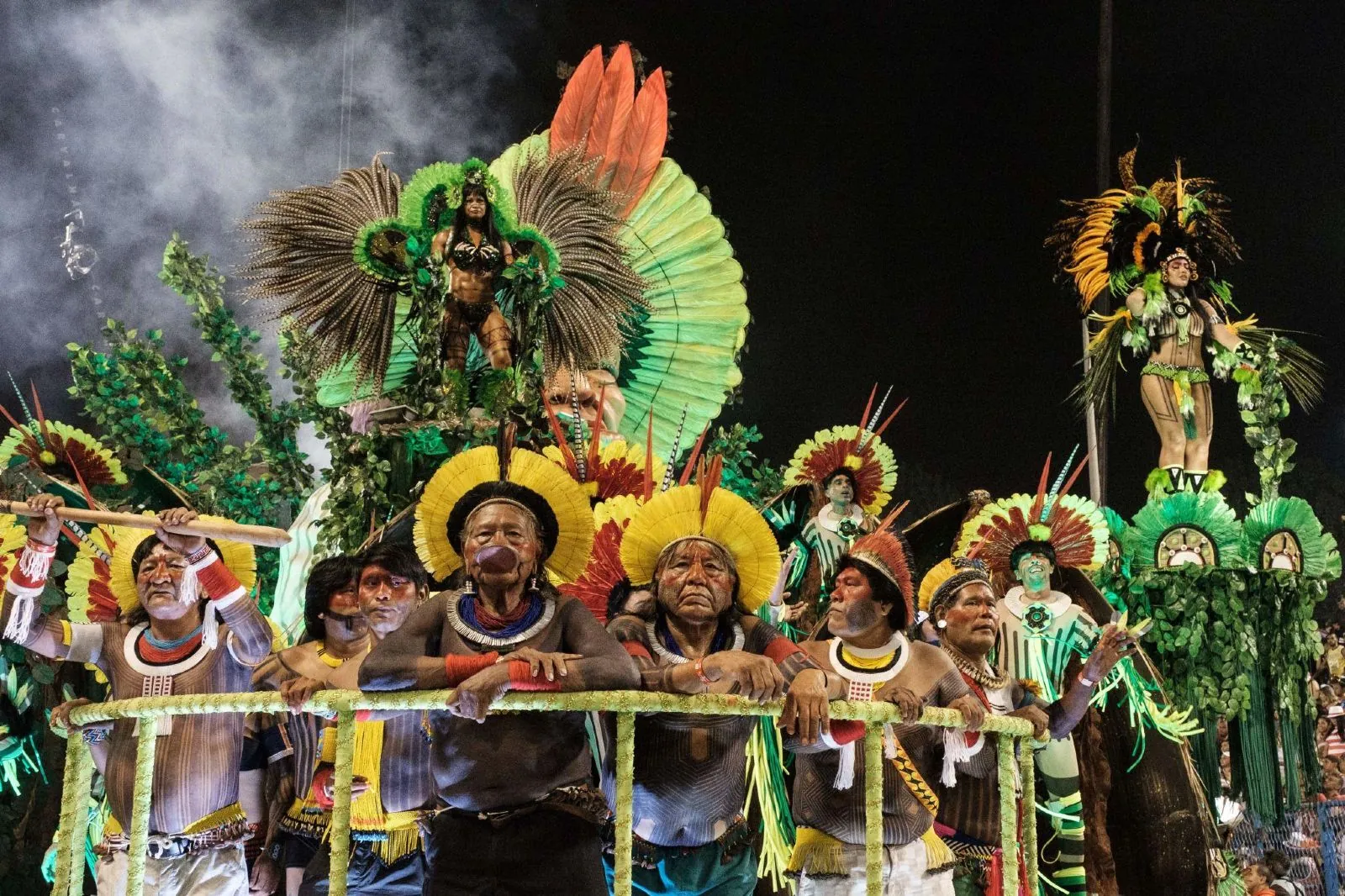
For example, videos on social media dedicated to Diwali, the major Indian festival of lights, often represent Indian traditions specific to this day, such as lighting candles or diyas, decorating the house with lights, paints, and rangoli, and preparing traditional dishes. During the Chinese New Year, an international audience may learn about the traditions and rituals associated with the Carnival and Lion Dance and the traditional decorations and costumes used during this event. Similarly, videos dedicated to the Carnival in Brazil allow people from other cultures to appreciate the significance of this holiday and the unique Brazilian spirit and character.
Videos' appeal lies in their ability to combine colours, sounds, performances, and the significance of the event. Nevertheless, the most significant draw is the motivation to preserve and promote such unique cultural traditions and unique cultural heritage that these video traditions represent.
Festival of Colors Makes the Cultures Closer One of the most significant benefits of the presence of cultural festivals on social media is their ability to turn such events into a worldwide experience. For example, Indian people can follow the traditions of Diwali or the Chinese New Year through short films on social media. Non-indigenous people can also learn about such unique traditions and cultural rituals and include them in their cultural competence. Moreover, if the video is in a foreign language, many people would be interested in learning about the history of the event and the peculiarities of the culture of the country or region where the event took place. Moreover, such an experience could spark an interest in discovering more about this culture and learning more about this cultural heritage in detail.
Thus, social media could help different communities to share and spread their unique cultural traditions among people worldwide. Moreover, the widespread interest in a particular aspect of the culture could provide an opportunity for local representatives of this unique heritage to promote and advertise their local specialties, such as unique cuisine, local restaurants, shops, and much more. In addition, social media allows the audience to research the topic more closely and, for example, order special costumes or study the particular dance unique to this culture and popular among locals.
In addition, ordinary people with unique local cultural heritage could present this heritage to a worldwide audience. Thus, social media allows the representatives of unique local cultures, which do not have sufficient visibility in the globalized world, to promote themselves to a wide audience and provide information about their local cultural traditions.
The Wonders of Social Media in Preserving and Promoting Culture It is the role of the creator to convey the cultural significance and history of the unique local culture. It is important that the audience receives enough information about the history of the culture, unique traditions, and local peculiarities, and not just visual enjoyment. The importance of preserving and protecting unique cultural heritage is particularly relevant to the younger generation, who may not have enough knowledge of history and local culture. Short films could spark an interest in them in learning more about their locality or studying history. For example, if a young person has grown up watching videos about a certain type of local ornamentation, it might help them build an interest in architecture or history in general.
Social media engagement could also lead to a wider exchange of knowledge and experience about a particular culture. One of the creators could post a video with interesting facts about a certain culture, encouraging others to share more information about it. Thus, new knowledge and facts that the creator did not know could also appear, providing an opportunity for further research. In this regard, the creator must remain objective and accurate in the information provided and allow the audience to conduct their own research to find more details. This also helps people to expand their cultural awareness and provide the right credit to the specific culture.
It is important to recognize that some cultural facts and history can be known only within a local community. Therefore, if a visitor does research about a peculiar local tradition, asking for permission to post videos or photos of it, consulting local representatives, and providing enough context for this tradition is important.
When Cultural Borrowing Turns into Theft With the rise of popular cultural events on social media, there is a worrying trend of disrespect and disregard for the original cultural significance of these events. While it is normal for people to borrow elements from different cultures to create a unique cultural background, the use of certain rituals for commercial purposes is problematic.
There are different reasons why a certain ritual borrowed from another culture could be inappropriate. Firstly, a number of rituals have religious significance. Secondly, some rituals are considered to be strictly within the culture and may have specific meanings that a foreign visitor would not understand. Thirdly, some rituals are directed only at specific groups of people.
Therefore, if someone uses a ritual in their celebration of a foreign culture, it is important to understand its significance and respect its history. This applies to music, dance, costumes, foods, objects, and anything else having cultural significance. Cultural exchange is an excellent way to learn more about different cultures and become more tolerant and inclusive towards them. However, when interacting with a foreign culture, it is important to distinguish between appreciation and appropriation.
The cultural exchange allows people to learn more about different traditions around the world. Moreover, it provides an opportunity for self-learning and further cultural competence development. People can use their research skills to find out about the nuances of different cultures or use videos about a certain festival as a starting point in their research. At the same time, different regions and countries usually have different interpretations of the same tradition. A short video or a film does not allow getting an adequate idea of a culture, because it focuses primarily on the peculiarities of the local culture. In the center of attention is on the history, significance, context, and celebration of this event in one region, and not the culture in general.
The Commercial Aspect of the Global Cultural Festivals Today, social media's growing interest in different cultural traditions and the use of cultural elements for creating unique content is being actively used by different business structures. Companies try to use the popularity of such themes to promote products, services, and events, providing special offers for holidays. This is a win-win situation for everyone, since businesses promote their services or goods through interesting content, and the creators get sponsored for the content they like. In addition, a local audience could see familiar locations, people, and events promoted on a global scale, which could stimulate wider tourist interest in this place and its culture. It also gives a chance to local artisans, such as costume designers, jewelers, or cooks, to promote and sell their services and products on a global scale through a wide range of social media users and customers.
When discussing economic aspects, businesses can also benefit because they can provide work and other opportunities for local entrepreneurs. If more people are interested in visiting a local area, the local restaurant industry and hotel business can derive benefits from this. Attracting customers' attention to the products allows local jewelers or cooks to increase sales. Attracting young people to participate in such types of filming or events allows preserving local culture through their involvement. Nevertheless, the disadvantage of such a wide use of cultural events for commercial purposes is that these events lose their meaning and become just an opportunity to grab more views and make money out of it.
Cultural Appreciation: The Right Way While social media creates more awareness of different cultural traditions, such occasions should not be used for commercial purposes only. On the contrary, the creators must ensure that an audience properly appreciates the significance of different cultural occasions and does not miss the point of a festival that they find funny-looking on the surface. In addition, such occasions should not be turned into a tradition. If one decides to participate in a festival with a foreign culture, it is important to understand its meaning, history, and significance.
Moreover, different variations of the same culture have different details and local history. This is why one should not simply take a few details of a different culture and apply them to one's events. In addition, in different localities, the significance of this or that aspect of the culture can be perceived in completely different ways. Thus, using such aspects could damage intercultural relations if the local inhabitants' cultural and ethnic peculiarities are not respected. One of the most important steps in cultural appreciation and avoiding appropriation is to ensure that people from different cultures have fair recognition, support, and protection for their uniqueness, history, cultural values, and identity.
Summary: A World of Cultures Social media has made learning about different cultures more accessible and easier for everyone around the world. Thanks to technology, we can keep learning and become more inclusive towards other cultures. While video content is highly beneficial in increasing cultural awareness, the audience must realize that online content does not equal authentic experience.
A creator has to ensure that the cultural significance is properly valued and that the audience is not missing the point and the history behind the culture. In addition, an event cannot be taken out of its context and turned into a fun and meaningless activity.
Nevertheless, in today's interrelated society, cultural identity is not necessarily determined within one's locality anymore. Younger generations grow up to be much more mobile and much more likely to live and work outside their hometowns or even the country of their birth. Therefore, young people may feel disconnected from the culture where they grew up. At the same time, such video content can help them build a connection to their roots and a greater understanding of their identity. Younger generations can also appreciate different cultures through interesting and easily digestible content, such as short social media videos. This allows them to further their comprehension of the culture and history.
https://ich.unesco.org/?