Fashion as a Form of Self-Expression
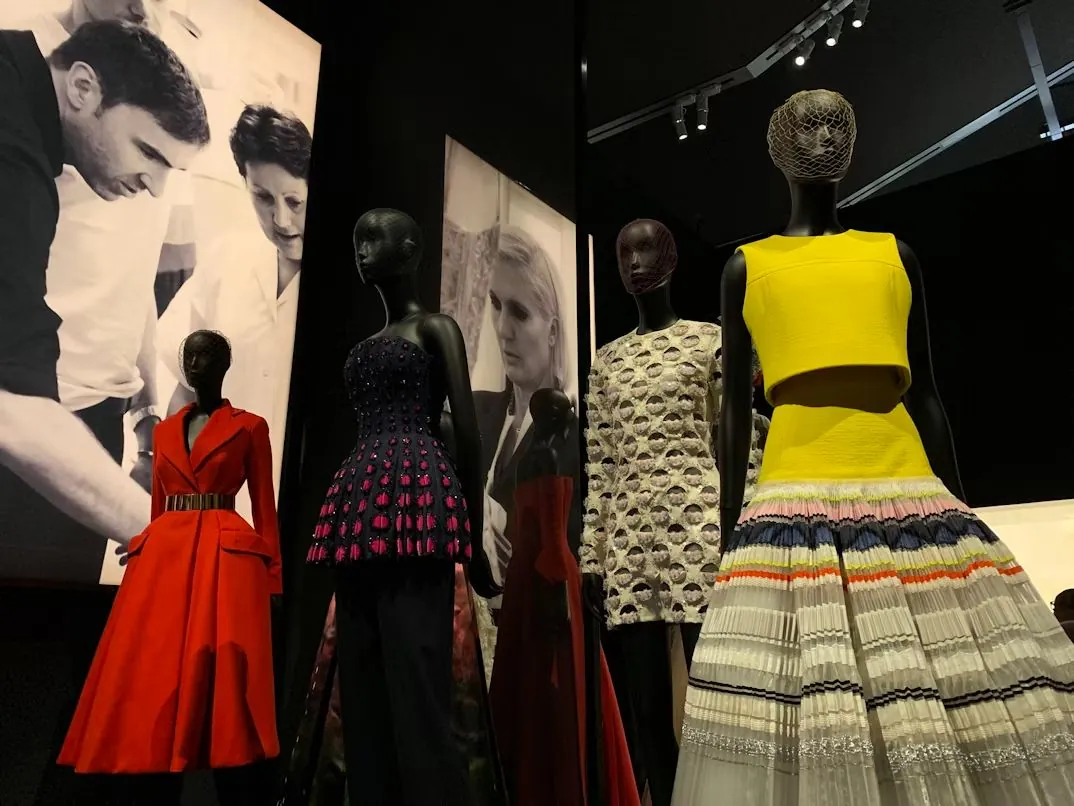
Beyond the Clothes We Wear.
We associate fashion with trends, brands and seasonal collections. But long before it became a multi-billion-pound industry, clothing was a way for people to express themselves, connect with others, mark their place in society and, simply, to feel good about themselves. Whether it's a carefully chosen outfit that boosts your self-confidence, a cultural statement, or simply an emoji of your mood on a Monday, what we wear speaks volumes about us.
Fashion is visual communication. It doesn't need a caption, just a glance to convey a message: vintage jacket, traditional saree, baggy streetwear, or even bright shoes can say something about the person wearing them - intentionally or not. Everyday clothing choices become an extension of our storytelling.
1. Clothing as a Personal Language.
Imagine walking into a room knowing you are 100% comfortable in what you're wearing. It could be the clothes themselves, but it's the feeling of self-acceptance that comes with being confident in what you choose to wear that makes us feel this way. Some people prefer minimalist capsule wardrobes, monochrome outfits or tonal separates, while others like to play with mixing patterns, accessories and bold footwear.
Fashion gives us the freedom to be creative and communicate our ideas and emotions without saying a word. It gives us the tools to build a visual language of its own - and sometimes, all it takes is a single outfit to speak volumes.
2. Cultural Identity Woven into Fashion.
Our clothing choices often reflect who we are - it can be a part of our cultural heritage, worn with pride, or a marker of our achievements and personal milestones.
Traditional clothing such as sarees, kimonos, kilts, or decorated garments worn in certain regions or countries continue to be a part of people's everyday lives and wardrobes. This is especially true in places like India, where vibrant Kanjeevaram silk sarees, Banarasi textiles and handloom cotton have been enjoyed for centuries for their intricate designs and craftsmanship, before finding their way into modern fashion collections. At the same time, Indian couturiers and global designers alike continue to reinvent traditional textiles, patterns and methods in their collections - proving that fashion is ever-evolving and rarely set in stone.
3. Fashion as Rebellion and Resistance.
Clothing has historically been a way to push the boundaries and the rules around gender, class, and stereotypes. The flapper dresses of the 1920s became synonymous with the emancipation of women, while punk fashion broke conventions and stereotypes around gender, class and sexuality.
The same goes for the rise of gender-fluid clothing and the use of neutral tones, patterns and cuts that blur the lines between what is considered 'male' and 'female' fashion. In short, clothing is one of the easiest and most accessible ways of making a political statement and perhaps the most powerful.
4. The Influence of Social Media and Digital Identity.
Instagram, Pinterest, TikTok and other platforms make it easier than ever to share what we wear: an outfit photo, a thrift store haul or a make-up look. Streetwear, vintage fashion and self-expression have become more popular than ever and with social media comes social acceptance (or not) of what we choose to wear.
The paradox of digital fashion is that while it promotes alternative styles, individualism and diversity, it can also make us feel inadequate or pressurised into buying the latest trends and presenting a certain aesthetic to the world.
5. Sustainable Fashion and Conscious Choices.
Expressing ourselves through clothing doesn't always mean buying new clothes. Repurposing, recycling, or reworking old outfits are great ways to refresh your wardrobe while reducing your impact on the environment. Sustainable fashion prioritises ethical production, slow fashion principles, and encourages us to think carefully before buying new clothes. Perhaps most importantly, it makes us consider our relationship with clothing and our self-worth. Instead of questioning whether a certain trend is 'in' or 'out', we think about what we already have and how we can use it - rather than disposing of it.
Wearing Your Story.
Fashion isn't just about looking good or feeling good in what you're wearing. It's about having the freedom to choose how you want to present yourself to the world. Some of us will do this every day; others - only occasionally. But both are valid, and both are personal.
Reference
https://www.metmuseum.org/