Glorification of Eurocentric Beauty Standards in Indian Society: Post Independence
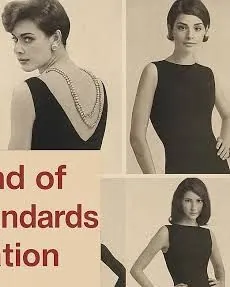
India may have gained independence from British colonial rule in 1947, but the underlying impacts of the colonisers in the society still prevail heavily, especially centered around the women. One significant example is the persistence of Eurocentric beauty standards and colorism, particularly in relation to women. Even after 80 years of independence, the women of the country are perceived based on their physical appearance rather than their capabilities.
While ancient Indian texts celebrated dark-skinned deities, the preference for fair skin was heavily institutionalized and codified during British colonial rule. According to them, fair skin was the sign of beauty, power, class and social status. This was done to develop inferiority complex within the Indian society and since then, the standards of society have revolved around physical appearance. Women were particularly affected because their social value has historically been connected to their appearance, marriage and gender expectations. An ideal Indian woman is therefore often expected not only to possess lighter skin and a conventionally slim body but also to demonstrate obedience, modesty, and compliance to established social norms.
Colorism, extends beyond individual preferences and work through social institutions, cultural practices, and popular media. The Indian television and advertising industries provide a particularly visible example of how these standards are reproduced and commodified. Advertisements for skin-lightening products have historically presented lighter skin as a pathway to confidence, success, desirability, and social acceptance. Products such as Fair & Lovely, for example, are being marketed for decades through narratives that inbuilt an inferiority complex within the consumer.
Colorism can therefore affect self-esteem, relationships, employment opportunities, and perceptions of social worth. More importantly, it demonstrates how colonialism can leave an impact even after political independence, not necessarily through direct colonial institutions but through cultural norms and social practices that continue to reproduce social ideas about race, beauty, and gender.
Therefore, the persistence of colorism in India should be understood as the compilation of multiple historial and social hierarchies rather than as a consequence of colonialism alone. Analyzing these influences is essential to understanding why physical appearance continues to be placed above any other thing in the society for Indian women. India’s political independence may have ended British colonial rule, but challenging the cultural and social hierarchies that survived it, remains an ongoing process.