Nostalgia Culture: Bringing Back 2000s Media, Rereads, and Old Cartoons
Introduction: Why Are We Looking Back?
Something about returning to the things that we loved as children is immensely satisfying. A familiar cartoon theme song, an old book dug out from a shelf, or a film we used to watch over and over as kids can all evoke long-forgotten memories that we barely even realize we have. In a world where media and entertainment are constantly evolving, many people find themselves seeking to re-explore the shows and stories that defined their childhoods. From early 2000s television and cartoons to nostalgic music and novels, the past is finding its way back into the present in exciting ways.
Nostalgia culture is a significant phenomenon that speaks volumes about what modern people care about. It is a part of human nature to look back on the past, to long for a time that can never be regained. Perhaps it is not always what people think it is. The popularity of old cartoons, re-reading cherished childhood novels, and other forms of media resurfacing are all examples of humanity’s complex relationship with time, and how we can meaningfully engage with it in both the past and the present.
The Return of 2000s Media
The early 2000s are a period in human history that many young adults today experienced firsthand. It is an era that is being actively rediscovered by many who have been exposed to bits and pieces of it in the form of memes, music, and other media. The early 2000s were a time when there was a sharp divide between television, video rentals, music stores, and the beginning of the digital age. For example, a person could not simply watch a favorite TV series on-demand or on a phone they would have to record it on VHS or DVD or wait until the next broadcast. If someone missed the song on the radio that they like, they might not hear it again for months.
Today, clips from old TV series frequently resurface on the internet, both in the form of parodies and in their original, uncensored forms. The same applies to music – songs from the early 2000s are finding new listeners in the form of TikTok dances, memes, and popular TikTok playlists. Not only do the cultural artifacts of this period continue to influence modern society, but it seems as though society has forgotten how to enjoy media and entertainment the way it used to.
Part of this is down to the way we consume media today. As opposed to having to plan around a TV schedule, we now have an endless list of shows, movies, and songs at our fingertips, ready to be browsed and discovered. This can be a bit overwhelming at times – while we have greater choice and freedom, it is not always easy to know what to pick. In this context, looking back on a familiar and well-known film or TV series becomes a comforting way of discovering new content, since the narrative is already known and the characters are familiar. What is more, this is not just a uniquely adult experience – younger people who were not familiar with certain songs, movies, or TV shows of the early 2000s are now engaging in an act of reverse nostalgia, and discovering the culture which defined a certain period in human history through an unfamiliar lens.
Old Cartoons and the Comfort of Familiar Characters
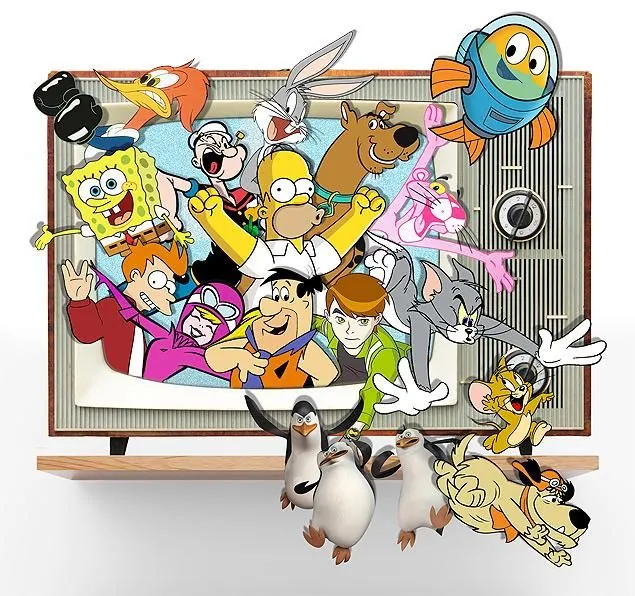
For many people, cartoons continue to be one of the most essential and treasured parts of their childhood. They were a part of people’s daily routines and could be seen in the morning before heading to school, or in the afternoon after finishing homework. Cartoon characters and stories were an important part of people’s early years a companion to many who had to sit through long school days.
As such, revisiting old cartoons later in life can be a deeply emotional experience for many. Listening to a cartoon’s theme song could instantly transport a person back to their childhood, when the world was simple and stress-free, when they would sit with their parents and have breakfast in front of the TV, or when they would hurry home to see if their favorite characters would return for another episode. While it is true that the style of old cartoons looks dated, the sentiment behind them is universal and relatable the same sentiment that many continue to experience today.
Looking back on old cartoons as adults is also a way of rediscovering them. Many jokes and subtext that went unnoticed as a child could be re-contextualized and re-experienced as an adult that is, with a different mindset and different life experiences. In short, cartoons which many used to watch in their childhood years are a part of a larger cultural conversation about childhood nostalgia, and the longing to experience the familiar.
Rereading Books and Meeting Old Stories Again
Perhaps another way to define nostalgia is through the act of reading and in this case, rereading. Many people like to revisit their old childhood favorites, schoolbooks, and beloved fantasy adventures. The story may not change, but the reader certainly does and with them, their appreciation and understanding of the work. Many people read the same book at different ages and experience entirely different things meet different characters, find new meanings in events and interactions, relate to different parts of the story.
Reading is also a deeply personal experience for everyone who engages in it, since everyone reads differently and interacts with the material in unique, individual ways. A book that one person has loved since childhood may appear dull and uninteresting to another person who reads the same page as an adult. The same applies to reading in general as we grow and change, we learn new things and gain new experiences which affect the way we engage with books and other media, for better or worse.
This is part of the reason why rereading is so deeply embedded in the act of engaging with media and entertainment in a way, it is a conversation between a reader and themselves. It is a way of connecting to someone you used to be, and meeting someone you are becoming. As the world changes, and people grow, a book like this offers a degree of certainty and stability. It is an experience that does not change, regardless of the fact that the person reading it is not the same as they were before.
Social media has also given a significant boost to the popularity of rereading online communities of readers discuss and rediscover old books, writing about the things they value in their childhood favorites before posting links and recommendations for others to follow. This is yet another example of how people look back on the old in order to appreciate the new in a new, exciting way. The key to this kind of engagement is balance if a person reads a book which they loved as a child, but do not relate to any longer, it is a sign that it is time to move forward. There is nothing wrong with putting a book down, or moving on to a new book altogether. In the same way, it is good to be able to grow, change, and evolve as a person without staying stagnant or stuck in one place.
Social Media and the Business of Nostalgia
With the rise of social media, nostalgia has become something of a commodity. With the press of a button, one can create a TikTok full of old music clips and share it with the world in the span of seconds. Similarly, social media makes it easy for people to browse through the good old days, sharing and engaging with content that is familiar and comforting in a strange and overwhelming world. However, at the same time, people are increasingly aware that content on social media is rarely ever an accurate representation of reality, which makes engagement with nostalgic media and entertainment a nuanced experience. As part of a larger discussion about the value of nostalgia in entertainment, social media and the business of nostalgia is also an important topic to explore. Nostalgia has long been a marketing tool, with companies frequently capitalizing on its sentimental value. Companies continue to do this, reviving old product packaging, re-releasing entertainment properties, and creating new media based on older works of art. This is an example of how looking back can be valuable to everyone the popularity of a piece of media makes it more desirable, and therefore, more marketable.
Engaging with media from the past can be a rewarding way to spend free time, and it is not hard to see why people continue to do so. The value of media resurfacing in popular culture is also difficult to ignore – the popularity of old cartoons and music is making them accessible to new audiences who are fascinated by the early 2000s and everything that came before. While it is true that the online experience of childhood is somewhat artificial, it is also a form of escapism that helps many people deal with the stresses and pressures of daily adult life.
Nostalgia Without Getting Stuck in the Past
While it can be satisfying to reminisce on the past, nostalgia is most meaningful when it is used as a bridge to the future. Looking back at old media and entertainment is a way to unwind and relax, and it can be both emotionally and mentally taxing. As such, it is important to recognize the ways in which we can meaningfully engage with our favorite forms of media, rather than getting stuck in the past. While the early 2000s may be long gone, as well as the childhood that many of us remember fondly, it is possible to meaningfully engage with media resurfacing in popular culture. There is value in watching an old cartoon or listening to an unfamiliar song but there is also value in connecting with the people around us and creating new memories together. It is important to strike a balance between these things and not getting too caught up in either.
https://www.theguardian.com/technology/2025/jun/04/noughties-tv-music-nostalgia-trends-tiktok?