Once Upon Our Childhood: The Tales We Still Remember
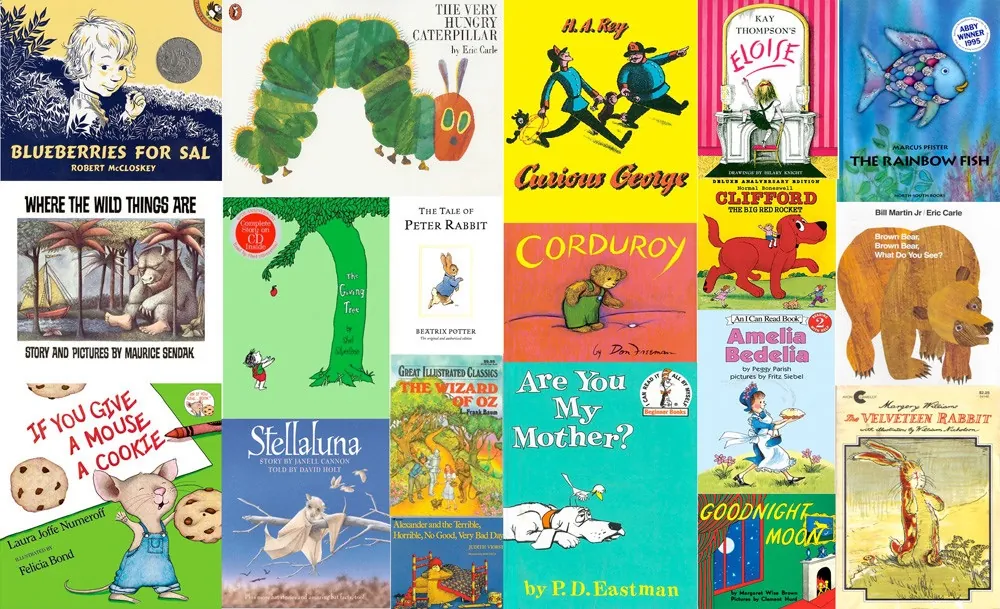
Some stories disappear from our minds the moment we finish reading them. Others stay with us for years. We may forget the exact words, the name of the book or even who told us the story, but somehow we remember how it made us feel. Childhood stories have that kind of magic.
For many of us, stories were a part of growing up. Maybe a parent read to us before bedtime. Maybe a grandparent told us a story they had heard when they were young. Maybe a teacher introduced us to a book that made us want to read more. These stories became part of childhood without us realising how important they would become later.
Indian children have grown up with stories from collections such as the Panchatantra and Jataka tales. Talking animals, clever villagers, kings and mysterious forests filled these stories. They were entertaining, but they also quietly taught us about honesty, friendship, kindness and the consequences of our choices.
Then there were the stories that did not necessarily come from books. Every family seemed to have its own collection. Grandparents would tell stories about their childhood, village legends or strange things that supposedly happened to someone they knew. Sometimes we believed every word. Sometimes we were terrified. And sometimes we secretly knew the story was probably exaggerated, but we still wanted to hear it again.
That is what makes oral storytelling so special. The story changes with the storyteller.
One person might make the villain frightening. Another might make the same villain hilarious. Someone might forget an important detail and create a completely new version. Children interrupt with questions, and suddenly the story takes a different direction. It becomes less like reading and more like sharing a moment.
Books also gave many of us characters we still remember. Amar Chitra Katha, for instance, introduced generations of Indian children to stories from mythology, history and folklore through colourful illustrations and simple storytelling. Characters such as Krishna, Rama, Birbal and Akbar became familiar faces long before many children encountered them in more serious historical or literary texts.
Of course, childhood stories were not limited to India. Fairy tales like Cinderella, Snow White and Little Red Riding Hood travelled across countries and generations. Their stories have been changed and adapted many times, but their basic ideas continue to attract children.
Perhaps that is because stories help children understand feelings before they have the words to explain them.
A frightening monster can represent fear. A lost character can represent loneliness. A difficult journey can become a lesson in courage. A friendship between two unlikely characters can show us what it means to trust someone.
We may not have understood these things when we were five or six. But we felt them.
That is why returning to childhood stories as adults can feel surprisingly emotional. Sometimes the story itself is not what we miss. We miss the person who told it. We miss sitting beside someone and waiting to hear what happened next. We miss being young enough to believe that every forest could hide a magical creature and every ending could be happy.
Technology has changed storytelling. Children today can watch animated films, listen to audiobooks and discover stories online within seconds. But the basic need remains the same. We still want someone to tell us a good story.
Maybe that is why the words “Once upon a time” continue to feel so familiar.
They do not simply begin a story.
They take us back to a version of ourselves who listened with complete attention, believed in impossible things and never wanted the story to end.