Poetry Reels and Spoken-Word Clips Going Viral: How Social Media Is Changing the Way We Experience Poetry
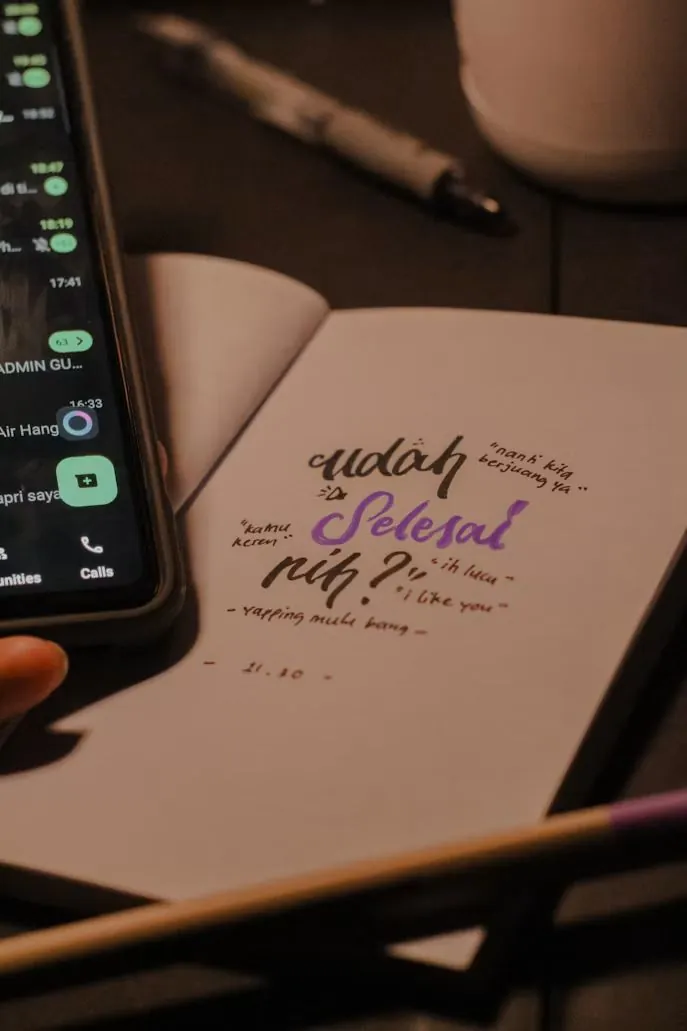
Poetry used to find people where you looked least for it: in the pages of a book, in a classroom, or in your own heart when you needed an anchor for the chaos. Now it finds you where you are scrolling, in Instagram Reels or TikTok, as a stranger recites a couple of lines of poetry over some music. You fall for their poetry, you save the video, you want the whole world to hear this piece because it could’ve been written to you.
Poetry reels and spoken-word clips have given poetry a place in both literary hearts and digital screens, making it possible for people to stumble upon artists’ works and for poetry to become a space for a different kind of connection.
When Poetry Becomes Part of the Scroll
Social media has changed everything about how people discover a thing, and poetry is no exception. Instead of going to the library looking for a particular author, now you randomly come across a video reciting some lines of poetry about love, loss, friends, or finding yourself.
That a poem, or just a couple of lines, has caught your attention is due to its accessibility. You don’t have to understand the references and wordplay in a poem to appreciate the message it has for you that is somehow familiar to you.
On platforms such as Instagram and TikTok, people who want to get their poetry out there don’t have to look for a poetry publisher first. They can shoot a video from the comfort of their rooms, post it, and have a massive following of people who would’ve never discovered their work otherwise. For many, this has become a way to build a livelihood out of their writing, as social media gives them the chance to find people who appreciate their work.
Why Spoken Word Feels So Personal
Written poetry invites you to fill in the blanks, using your own life to relate to what the author is saying. In a spoken-word performance, poetry becomes more personal as you hear the voice behind the text.
The pauses the person makes as they read a particularly heartbreaking line, or the way they say the last sentence, or even the music and imagery that accompany it, give you the context you need to feel as if the author is speaking directly to you. It’s the same reason people share spoken-word clips on social media: to share a bit of their story that they know others will relate to. Poetry becomes a tool for connection as people share their struggles and victories.
The Algorithm Has Its Own Idea of Poetry
The problem with poetry on social media, as with everything that goes viral, is that it has to be quick to grab and hold your attention. Poetry is a long art, one that requires rereading and reflection. It needs your time and focus.
As a result, the most viewed poetry clips are those that give you the most bang for your buck. One could argue that poetry isn’t supposed to be that; it should be something that needs more than a fleeting glance. But the reality is that people who watch spoken-word clips on social media are looking for something they can attach meaning to in less than a minute.
There are also poetry clips that go viral with no context: who wrote it? what is this about? where is this from? And while people who watch these clips may attribute the poetry to the wrong people, they connect to it just the same, as another person’s experience that is similar to theirs.
Poetry, and especially spoken word, has become a way for people to share their stories and connect to others who’ve had similar experiences, regardless of who wrote the piece. There are also cases where a snippet of poetry that’s been ripped out of context can be just as meaningful as a full poem or a longer spoken-word piece. A single sentence can say a lot, and sometimes more than a whole paragraph. However, that doesn’t mean longer poems aren’t worth your time! Some find that a poetry reel has encouraged them to look further into a particular poet’s work, to read more of their pieces and get to know their writing style.
Are Poetry Reels Changing Literature?
Social media has changed the way people interact with poetry, making it easier for them to stumble upon poetry instead of actively seeking it out. For some, that passive discovery has become a gateway drug to reading more poetry, finding a favorite author, and going out of their way to read more works by that author.
For other people, poetry clips are a way to consume art in a certain way that’s easier for them: short, impactful, and easy to relate to. It’s possible to enjoy both the long-form poetry pieces and the short social media clips, though they’re different in the ways they make you interact with the text/images/sound.
The question is, then, what do you do with that feeling of having seen something incredible when you’ve watched a poetry clip? Does the short snippet turn you into a lifelong admirer of the author’s other works, or do you move on to the next poetry clip in search of something that speaks to you just as much?
The Future of Poetry Is Still Being Written
Poetry reels and spoken-word clips have made it possible for poetry to find people where they least expect it, and for people to share their poetry in ways they weren’t able to before. They’ve allowed people to connect to topics and issues that resonate with them and to have a space that isn’t overwhelming and inaccessible like a book of poetry may seem.
However, the question for each person who finds poetry through social media is how they choose to engage with the art form. Does a snippet of poetry become their gateway to long-form poetry? Are they content with a couplet or a short-spoken word piece?
Reference: Poetry Foundation — Poetry and its forms, for background on poetic forms and literary expression.