Stories Without Authors: The Folk Literature That Belongs to Everyone
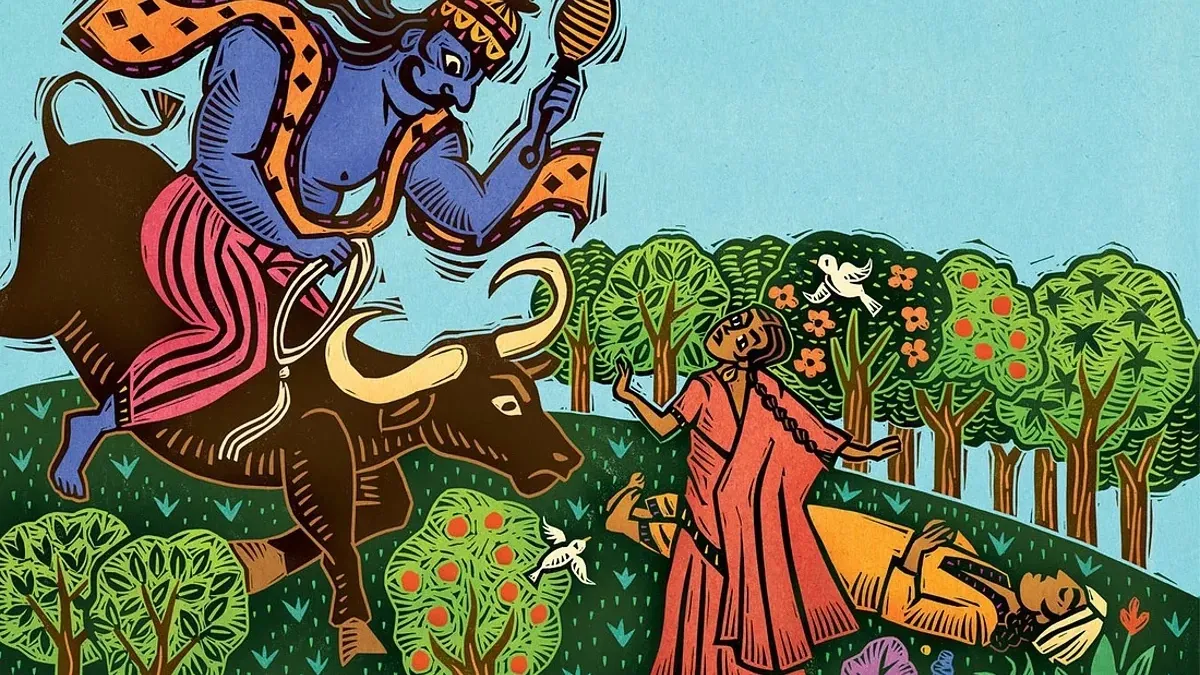
Before stories were printed in books, they were spoken. People told them to their children, friends and neighbours. They told stories while working, travelling, gathering together or sitting at home in the evening. Some stories were funny, some frightening and some were meant to teach a lesson. Many of them survived without anyone knowing who originally created them. That is the beauty of folk literature.
Folk literature is built around the stories, songs, legends, proverbs and traditions shared by a community. Unlike modern novels, where we usually know the writer's name, many folk tales belong to no single author. They changed a little every time someone retold them, but the heart of the story remained.
One of the most familiar examples is the Panchatantra. Traditionally attributed to Vishnu Sharma, the collection uses animals and human characters to explore friendship, intelligence, greed, politics and human behaviour. The stories are simple enough for children to enjoy, but many of their lessons make even more sense when we read them as adults.
The Jataka tales are another important part of Indian storytelling. Connected with the previous births of the Buddha, these stories often feature animals and ordinary people. They speak about kindness, patience, wisdom and compassion. What makes them memorable is that the message is usually hidden inside an interesting story instead of being presented as a direct lecture.
India's folk traditions go far beyond these well-known collections. Every region has its own storytelling culture. Bengal, for example, has Thakurmar Jhuli, a collection of Bengali folk and fairy tales filled with kings, queens, magical creatures and adventures. In Punjab, the tragic love story of Heer and Ranjha has been retold through poetry, music and performance for generations.
There are also folk traditions that were never meant to be read silently from a page. Stories were performed through songs, dance and oral narration. Rajasthan's stories of Pabuji, for instance, have traditionally been connected with musical storytelling and performance. In such traditions, the storyteller is not simply reading a story. They are bringing it alive.
That is what makes folk literature different from many forms of written literature. It is flexible. A storyteller can add a joke, change a detail or make a particular character more dramatic. Another storyteller may tell the same story completely differently. Instead of weakening the story, these changes allow it to remain alive.
Folk stories also tell us a lot about the people who created and preserved them. Their stories reveal what communities valued and feared. Clever characters often survive difficult situations. Greedy characters face consequences. Friendship, loyalty, courage and kindness are repeatedly celebrated.
Animals appear frequently too. A fox may represent cleverness, a lion may represent power and a crow may become the unexpected hero. By giving animals human qualities, storytellers found an entertaining way to talk about human nature.
Today, we have thousands of books and endless content available online. Yet there is something special about a story passed down by word of mouth. It carries the voice of the person telling it.
Maybe that is why folk literature continues to matter. These stories do not belong only to the past. They belong to everyone who remembers them, retells them and gives them another life.
A story does not need a famous author's name to become unforgettable. Sometimes, all it needs is someone willing to tell it again.