The Cultural Power of Rap
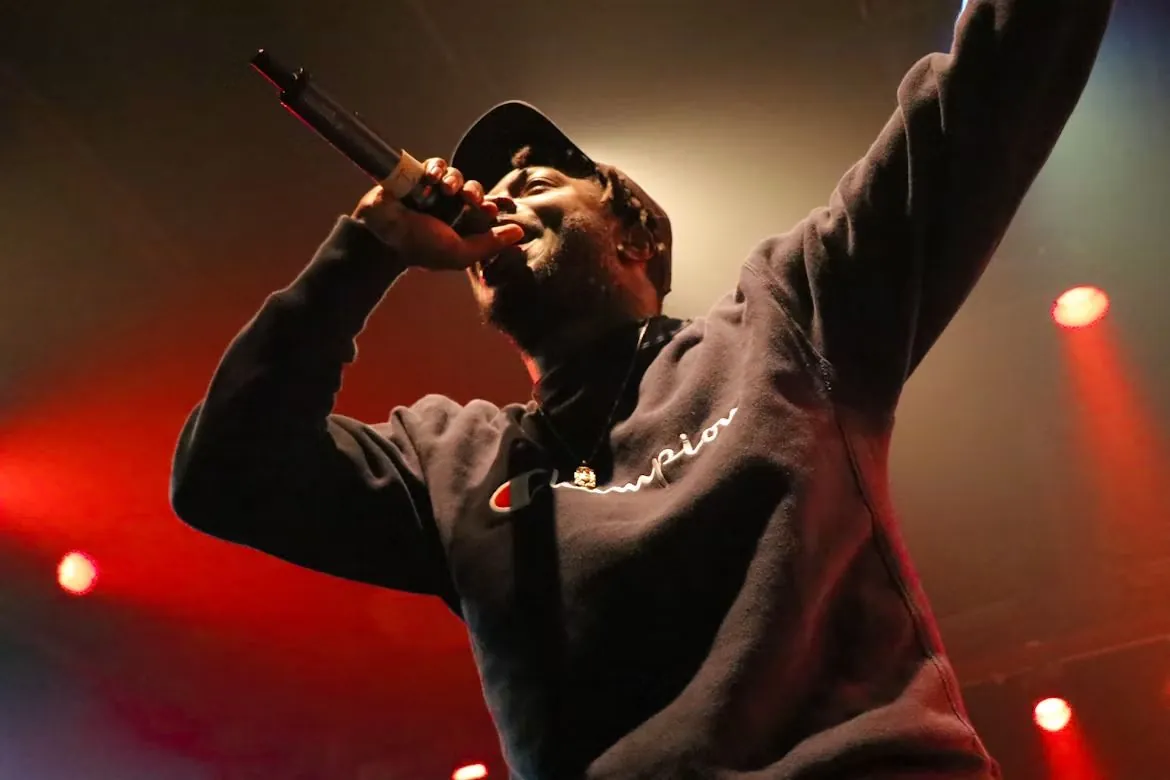
Rap is often introduced as a musical genre, but this definition barely scratches the surface of the cultural extensions this style possesses. It is, indeed, music, but it is also narrative, poetics, performance, identity, fashion, language, protest, entrepreneurship, and memory. A rapper can narrate about their neighborhood, comment on their personal life, protest something, celebrate their achievement, depict their hardships, or simply turn ordinary speech into something rhythmic. Very few modern genres have such an extended set of attributes while remaining largely connected to their cultural origins.
Being a product of hip-hop culture, rap was born in the Bronx in the late 70s, together with DJs, breakdancing, graffiti, and block parties. The Smithsonian Institution notes that “hip-hop was born in the South Bronx and has since resonated from one continent to another.” The reason why this genre is so significant is that from the outset, it has served to tell the stories of the people from the neighborhood in their own way.
From Local Roots to Worldwide Recognition
It is hard to overestimate the impact hip-hop and rap have on the culture and society at large. Coming from the Bronx, this musical genre has gone from strength to strength, managing to gain popularity not only on the continental level but beyond the borders of the United States. On the one hand, the rap music and culture that came from the Bronx have been embraced by various ethnic groups both within the United States and abroad, incorporating foreign languages, contexts, and sonic differences. On the other hand, each local interpretation of rap and hip-hop developed its own unique personality, thus resulting in a wide range of variations.
The Rapper as a Storyteller
One of the things that make rap so spectacular is that a rap song can be exceptionally vivid, telling the story of the rapper’s life. The reason why a rap song sounds so personal is that the rapper narrates their story in the first person, using their words, their speech patterns, and their rhythms. They can narrate about their childhood, their neighborhood, their family, and their struggles. This is why rap is so closely intertwined with poetry, as it often uses similar literary devices and techniques to create a strong and personalized expression of thought and emotion.
Speaking About Real Life and Social Issues
One of the most significant ways in which rap has impacted the world is that it has given minorities and ordinary people a platform to share their stories and discuss real-life problems, as well as promote positive change. Although many rap songs focus on completely non-political issues, the genre, as a whole, has a unique ability to vocalize the concerns of society. The Smithsonian’s National Museum of African American History and Culture notes that “hip-hop and rap music have given voice to communities and generations.” The reason why this is so valuable is that those voices could not be heard outside of the community before.
Language and Identity
It goes without saying that any discussion of rap and its relationship with its fans would be incomplete without considering its contribution to the development and popularization of language. More than many other genres, rap takes advantage of slang, speech patterns, code-switching, playful semantics, and unique pronunciation to highlight its distinctive identity. After they have become a staple of the genre, these speech patterns become part of the cultural heritage, serving as a marker of identity. In other words, words and language allow a rapper to indicate whom they are addressing and where they are coming from.
Putting It All Together: Rap, Identity, and Popular Culture
The Smithsonian Institution’s hip-hop exhibition explores the cultural significance of this artistic movement and its impact on society. It is possible to see how the hip-hop artists have interpreted their realities through music, but it is also possible to observe photos, graffiti, clothes, business cards, and other elements of the culture. The reason why this is a good example of rap’s ability to engage people is that it demonstrates that this genre is not limited to music. Rap’s capacity to build aesthetic universes is truly astonishing. From this one can see how the local Bronx community has built a strong artistic statement that has been recognized worldwide. While music is its most prominent feature, it is not the only tool that helped people from the Bronx to communicate their unique views to the world.
From Local to Lingual: Rap’s Global Journey
The interesting thing about rap is that, while it certainly has a unique sound, its language can be extremely diverse. In other words, the beats may travel across oceans and remain the same, but the words can change depending on the local culture and traditions. As a result, the entire hip-hop and rap genres have been localized in different countries and cultures, presenting their unique variations. According to the article, even in India, rappers use Hindi, Tamil, Punjabi, Malayalam, Bengali, and other languages to tell their stories. As a result, while the core principles of the genre remain the same, each local rapper community develops its own unique voice.
The Commercial Success of Rap
Beyond building a strong artistic statement and cultural footprint, rap music and culture have also become exceptionally commercially successful. In fact, it is hard to underestimate the influence of this genre on the music industry, as well as the overall culture. As the article rightfully points out, hip-hop went from being “a fringe style from an underground club scene” to “a dominant force in American culture.” The commercial success of this genre has made its artists not only musicians but also fashion designers, movie directors, social activists, and successful businessmen. This, in turn, has created an interesting dichotomy, where rap music and culture are both a product of the underground protest culture and the mainstream commercial enterprise.
The Cultural Impact of Rap in Brief
While at present, rap music and culture have a very broad meaning, its essence remains the same as it was when it was created in the Bronx. It is this essence that makes rap so special, as it highlights the unique ability of art to amplify people’s voices. It can be seen in the way rap has been used to tell personal stories, narrate the life of the community, and protest social issues. The genre may be most famous for its music, but the stories told in rap songs are what give this art form its soul.
Reference
https://www.si.edu/spotlight/hip-hop-rap?utm_