What Makes A Book A Bestseller?
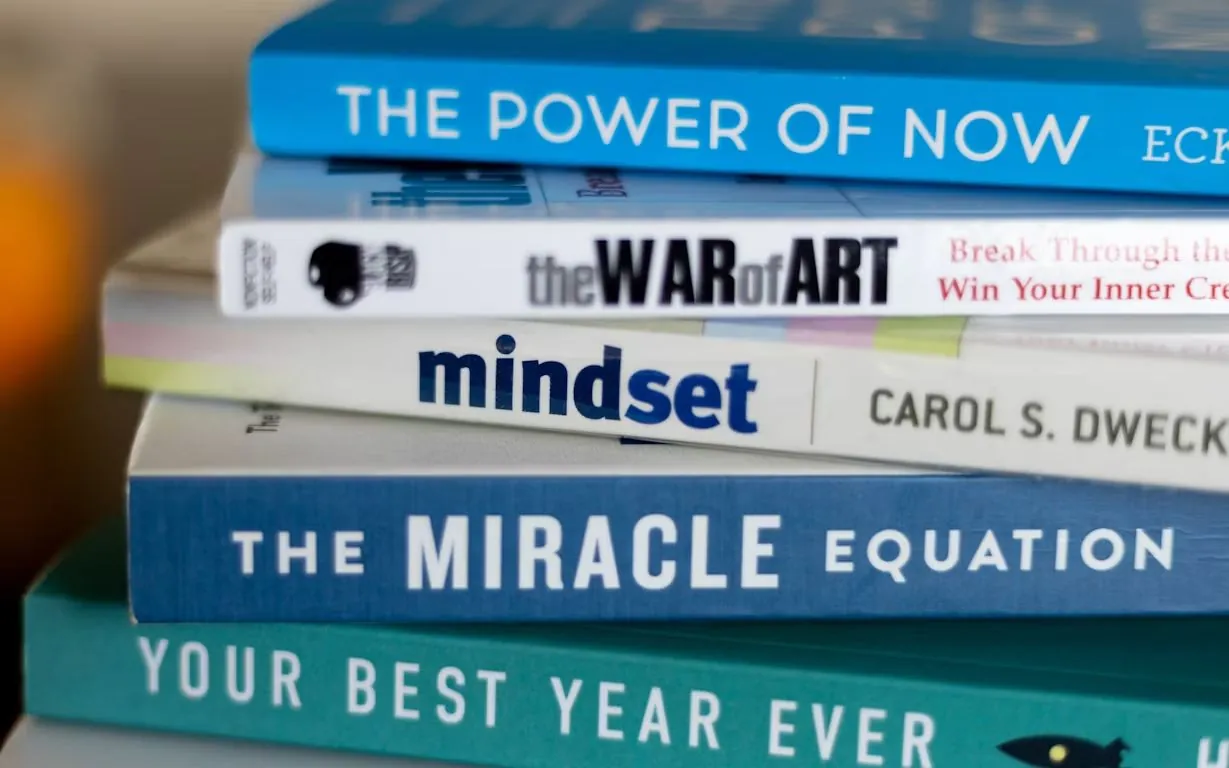
We’ve all seen the proud words ‘bestseller’ emblazoned on a book cover, and, if we’re brutally honest, it can often make us wonder about the content within. Does it mean that the book really is the best there is? Does it mean I should trust this book more than others? After all, what does it mean to be a ‘bestseller’ anyway?
Is it having the best writing, biggest audience or is it simply a case of selling more than other books at the same time? It is all much more complex than it seems!
Bestseller Doesn’t Mean “Best Book”
We think that the phrase ‘bestseller’ is misleading; a list of bestsellers is not a list of the best books. A book can achieve critical acclaim and awards without being a bestseller, as a book can sell massively without being critically acclaimed. They are two totally separate things, and this is all because of the way in which ‘bestseller’ is calculated.
There are a number of different ways in which you can find a ‘bestseller list’. Some look at sales, some at reception and awards. They can be on a monthly, yearly, quarterly, weekly, or even daily basis! In the USA, for example, we have the Publishers Weekly bestseller lists, which are compiled with sales data from Circana BookScan.
The Numbers Behind the Title
As you might have noticed, modern ‘bestseller’ lists are dominated by sales figures. NielsenIQ BookScan, for example, describes their service as providing ‘year-round insight into the world of print books, through accurate measurement of print book sales by electronic point of sale.’
Their sales numbers are informed by a number of different retailers: bookshops, supermarkets, specialist shops, and online bookshops. This means that a book can’t just be released and then immediately put on the bestseller list; they have to actually sell in order to be recognised as a bestseller.
However, they do still mostly relate to a specific region and time frame.
A bestseller list, such as the one provided by Publishers Weekly, is a list of what was popular throughout a certain market over a certain span of time. It doesn’t mean that the book was necessarily the ‘best’ book of all time, or even that it was the best-selling book of all time, just the most popular at a certain time.
Marketing!
A book can be beautiful in theory, but if people don’t know about it, it doesn’t stand much chance against other books that people have heard of, or know about, or even loved. Marketing is so important in the success, and in turn the bestseller status, of a book.
Publishing houses will push their books so that you know about them; through beautiful covers, media tie-ins, interviews with the authors, book tours, social media, and even displays in bookshops. Social media has become especially important in this age, with the rise of things like BookTok and Instagram. The internet can really push a book to places that it wouldn’t necessarily reach without the marketing campaign of a publishing house, and can provide a sort of word-of-mouth marketing before a book is even released.
But what’s really interesting about this aspect of the bestseller lists is that it’s not just new books that benefit from it! As mentioned above, social media can really boost the sales of a book, and therefore its chances of becoming a bestseller, and this holds true for older titles too! There has been research into BookTok and the way in which it interacts with and influences the sales of older books. This is interesting as it means that older books, which would usually not be in contention for a place on a bestseller list due to their age, can suddenly climb up the sales charts and get their due recognition.
Word Of Mouth
Word of mouth is one of the most powerful tools out there when it comes to marketing. People trust their friends more than they trust companies, so a recommendation from a friend can send people running to a bookshop. And if a few people recommend the same book, then that book becomes a bestseller!
Trends
Sometimes books need a bit of a push from a trend.
A show or movie based on a book can really help to boost that book’s sales and popularity, as can a cultural moment that sees a resurgence in the type of book that a certain book falls under. Viral moments on social media can also be massive boosters for a book; a book that is talked about for long enough becomes something of a cultural touchstone, and people will begin to buy it in order to discuss it with their friends, or to be able to understand why everyone seems to be talking about it.
At the end of the day, there are so many reasons why a book can become a bestseller. There’s writing, genre, timing, discoverability, sales channels, media, recommendations, trends, and even word of mouth. But it all boils down to people buying books! A bestseller is just a book that a lot of people have bought in a short space of time, and we think that’s what makes bestseller lists so interesting; they show us the types of books that have been popular at a certain time and place, with a certain audience.
References
https://nielseniq.com/global/en/landing-page/nielseniq-bookdata-measure/?utm_
https://www.publishersweekly.com/pw/nielsen/tradepaper.html?utm_