When Festivals Become Stories: How Indian Celebrations Live in Literature
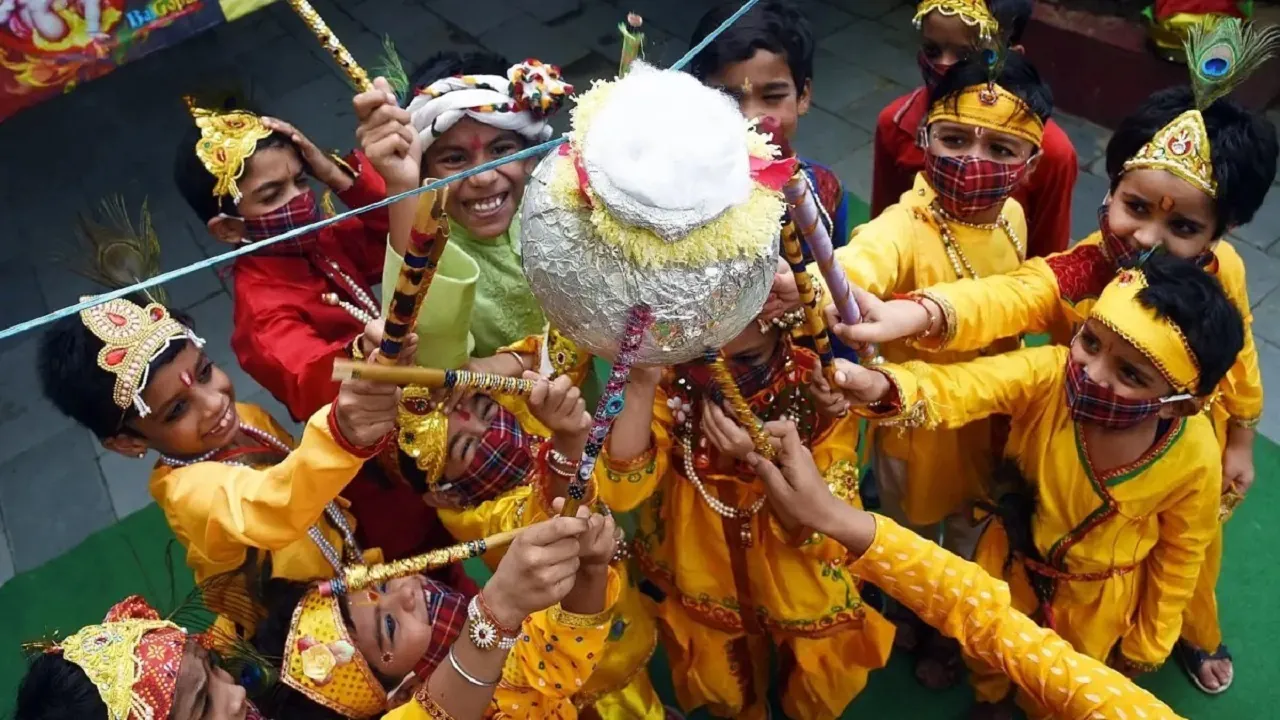
In India, festivals are rarely just about a date on the calendar. They come with food, family, music, decorations, traditions and, most importantly, stories. Most of us probably grew up hearing at least one story behind a festival without even realising that we were learning about culture and literature at the same time. Someone at home would explain why we celebrate Diwali, why Pongal is connected to the harvest, or why certain traditions are followed during a particular festival.
This is where festivals and literature meet. The stories behind our celebrations have travelled through generations in the form of poems, songs, myths, folk tales and written texts. They have helped preserve not only religious beliefs but also the memories and values of different communities.
Take Diwali, for example. The festival of lights is associated with different stories across India. In many parts of the country, it is connected with Lord Rama's return to Ayodhya after defeating Ravana. In other traditions, the festival is associated with Krishna's victory over Narakasura. These stories have appeared in religious texts, poems, plays and countless retellings. The festival may be celebrated with lamps and sweets, but behind those lights is a story about the victory of good over evil.
Pongal has a different kind of connection with literature. The Tamil harvest festival is closely linked with farming, nature and gratitude. Tamil literature has always had a strong relationship with the land and agricultural life. Even the ancient Sangam poems describe landscapes, seasons, farmers and the relationship between people and nature. Reading these works gives us an idea of the cultural world in which harvest celebrations became important.
Then there is Holi, with its colourful connection to the stories of Krishna and Radha. Their playful relationship has inspired generations of poets, musicians and artists. In literature, the colours of Holi can represent love, happiness and freedom. The festival becomes more than a celebration; it becomes a way for writers to explore human emotions.
Indian festivals also appear in literature through ordinary people. A festival might become the setting for a story about a family coming together after years apart. It could be the background for two people meeting for the first time or a moment when a character remembers their childhood. Sometimes the festival itself is not the main subject, but it quietly shapes the entire atmosphere of the story.
Folk songs are another beautiful example. Before people could easily access books, stories and traditions were often passed through songs. Festival songs carried local histories, beliefs, humour and emotions. They were sung during celebrations and taught from one generation to another.
What makes Indian festival literature so interesting is that there is no single version of Indian culture. Every region has its own stories and ways of celebrating. A festival in Kerala may look completely different from the same festival in Punjab or Tamil Nadu, and literature helps us understand these differences.
Perhaps that is why festivals feel so familiar even when we read about them in books. They remind us of home, childhood and people we love.
A festival may last for a day or a few days, but the stories connected to it can survive for centuries. And every time we retell them, we become a small part of that long literary tradition.