Why a One-Line Opening Hook Can Sell a Book
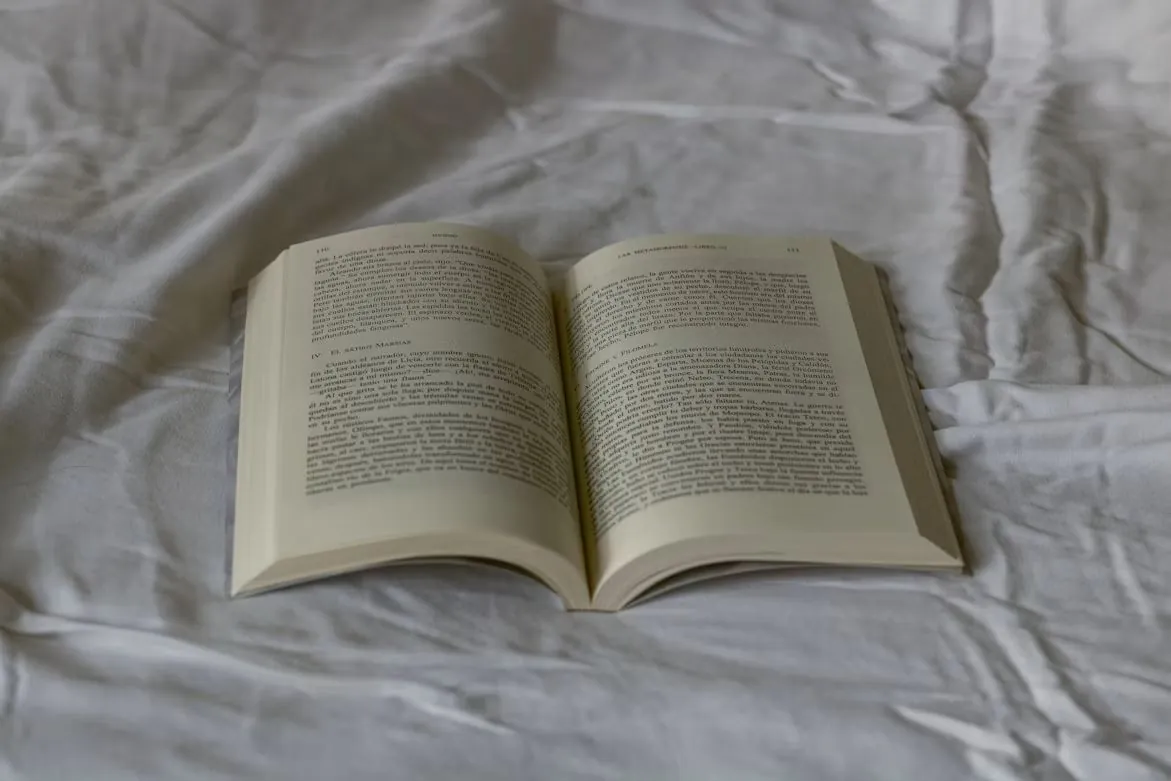
One Sentence Can Change Everything
A reader who falls in love with your character, plunges into your fictional world, and solves the mystery with you will see the first line. They might see it in the bookshop while deciding which book to pick up on their way home, in a preview on a website, or on a friend's shelf. The writer has to give them a reason to turn the page!
A good opening sentence doesn't always need to contain some staggering revelation or complex language. Sometimes something simple, surprising, or a question is needed to draw someone in. The most effective opening lines do exactly that: they spark the reader's curiosity. Although it won't necessarily ensure a book's success, it will make the book more appealing and be a solid basis for the rest of the writing.
The Opening Hook as an Invitation
The opening hook is the first sentence or paragraph that draws the reader in. It can present us with a mystery, establish the tone of the story, or present us with the voice of someone whose thoughts we are about to follow.
Think about how a completely different opening sentence would affect the book. Something that starts with a character having an ordinary day could give the reader a different impression than a writer who begins with the death announcement of a character.
A reader always searches for meaning, and if they are presented with something that seems strange and unexplained, they will seek to find this meaning. This is exactly what the opening line is supposed to do.
Opening Lines that Stay with Us
Novels that show us the effectiveness of the opening line:
1. Pride and Prejudice by Jane Austen
Austen's opening sentence is famous for being ironic. She begins her book with "It is a truth universally acknowledged," and proceeds to talk about a rich single man and his need for a wife. Austen does not reveal much apart from the fact that her book talks about love and marriage. It is a humorous task that Austen takes on, and the first sentence is enough to intrigue the reader and whet their appetite for more.
2. Moby-Dick by Herman Melville
Melville begins his book with only three words that present us with the voice of the book: "Call me Ishmael." The simplicity with which the sentence is formed draws the reader in and makes them curious about who this mysterious "Ishmael" is.
3. Harry Potter and the Philosopher's Stone by J.K. Rowling
This book begins with an introduction to the Dursleys and their everlasting pride in being a very normal family. This opening sentence makes the reader curious and shows a world where nothing out of the ordinary happens. The magic and mystery that lie beneath the surface of this mundane world are revealed little by little as the book progresses.
These books are all masterpieces for a reason. They gained their popularity through their compelling storylines, lovable characters, unique writing styles, their target audiences, and so much more. There is no doubt that the opening sentence is not the only reason why someone would pick up a book, but all three examples are clear about how a well-written beginning can present us with a unique voice, hook the reader with its mystery, or set the tone for the rest of the book.
What Makes an Effective Opening Hook?
A good opening line will generally have at least one of the following qualities:
It will spark the reader's curiosity. An intriguing sentence that makes someone wonder what is going to happen or what you mean will do exactly that: make the reader curious.
It will establish a voice. A witty or mysterious sentence will intrigue the reader and introduce them to the tone of the rest of the writing.
It will promise a story. A sentence that hints at some form of mystery or an intense conflict will ensure that the reader wants to find out what happens next.
The most effective openings will have two or even all three of these qualities. However, it is important not to overdo it. A simple sentence that reveals deep emotions can be more touching than an overly dramatic opening.
Can One Line Sell a Book?
An intriguing opening sentence can make a book stand out, and it certainly plays a crucial role in making a reader interested. However, it cannot do all the work. It will keep the reader interested for as long as the opening sentence is on the page, but when the next page reveals little to no action, the reader will be disappointed. This means that an effective opening line should be the beginning of something that will keep the reader interested: either a character whose thoughts they can follow, a conflict they want to witness, or a mystery that needs to be solved.
We should also remember that not every sentence will appeal to our readership. A sentence that appeals to one type of reader will alienate another. Remember that you're trying to connect with your target audience, not everyone.
The Art of Making Readers Stay
The opening line is a small part of a much bigger picture. However, it is an essential part that plays a role in making the reader interested in the story. It makes a reader aware of a world that is not yet familiar to them and convinces them that it's worth exploring. This is how a compelling opening sentence can hook a reader.
A good opening sentence doesn't always need to be surprising or shocking. It just needs to be a part of the book and leave the reader wanting more.
Official reference: Penguin Random House, Pride and Prejudice by Jane Austen — https://www.penguinrandomhouse.com/books/6400/pride-and-prejudice-by-jane-austen/