Why We Connect with Lyrics: The Mental Bond
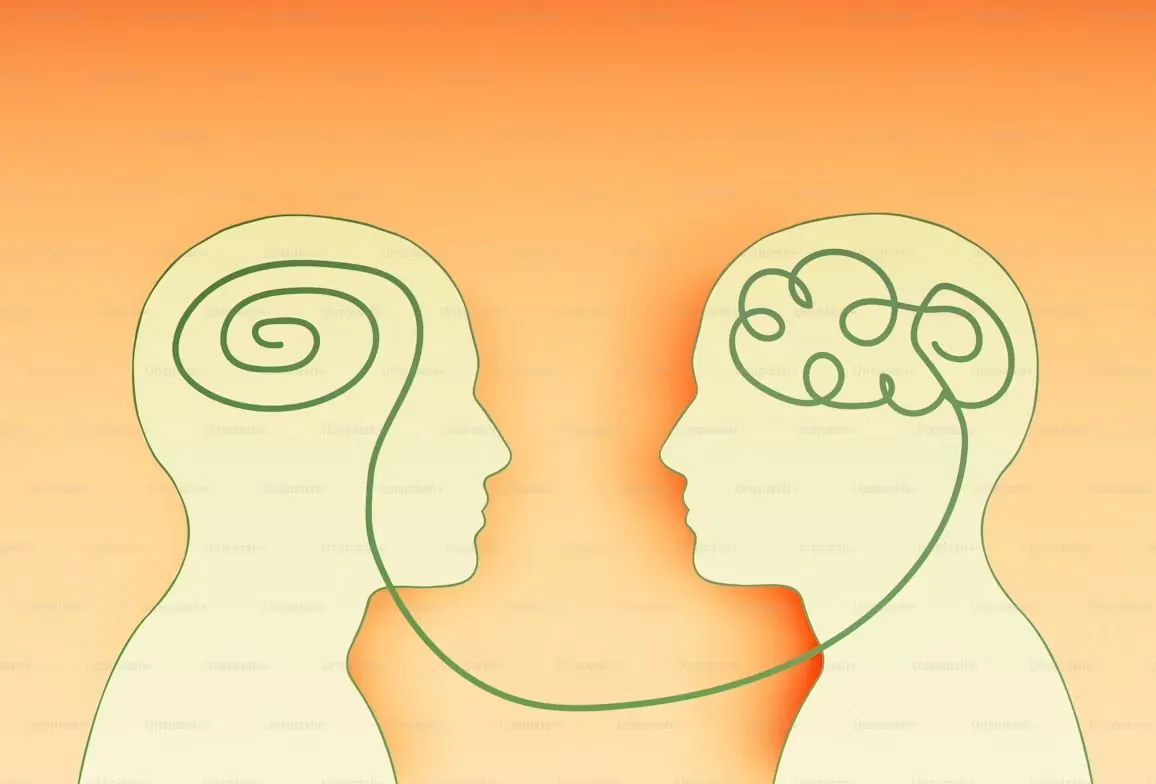
Have you ever heard a song after years, suddenly remembering exactly where you were when you were listening to it? It could lead to a memory of a school corridor, a certain person, a heart-to-heart talk, or even the years you thought you forgot. Sometimes we remember the lyrics of a song before the memory even comes rushing back. A song can have a memory so strongly bonded to it that it actually feels as if we're time-traveling when we get to listen to it again.
This link between music, lyrics, emotion, and memory is why lyrics can be so important. We don't just listen to them; we connect them with events of our lives. We connect them with things that we could never have put into words, phrases, or lines that are as good as a description of what has happened to us. Studies exploring the link between music and autobiographical memory even show that songs can be incredibly effective cues for memories, suggesting that music can become very strongly bonded to our lives.
When Someone Else Says What We Can't Say
One of the easiest reasons for bonding lyrics to memories is that they can say things that we can't say ourselves. There are certain feelings that are hard to put into words. We might know that we miss someone but cannot express the exact kind of missing that it is. We might know that we're emotionally drained but have no words to explain that we're just used up.
Then a song says something that is perfect for describing how we feel. This can be very intimate, almost revealing. The author of these lyrics might have written them down for a very different purpose or for a very different person, but it feels as though the person listening now has been let into an extremely personal space. This is one of the reasons that music can be such a strong companion, as songs can say the kinds of things that we all struggle to say alone.
Music Turns Words into Memory
Lyrics are rarely remembered on their own.
They come with melody, with rhythm, with voices, with music, and with repetition. This all comes together to create a very strong memory cue. A study published in the Memory & Cognition journal actually found that people were likely to have particularly strong emotional reactions and very strong memories for popular songs tied to phases in their life, more so for music tied to their youth in particular.
More recent research has even found that musical cues can actually lead to autobiographical memories more often than spoken cue phrases. This is probably why experiencing an old song feels so different from reading the lyrics to a song. We don't just remember the words; we remember the whole sound.
The "This Is Me" Feeling
There's also a level of psychological comfort in recognition. Sometimes people can listen to a song that feels as though it's stating exactly how they feel.
This is another key part of what makes songs so powerful, as this sentence is effectively saying that what the song is saying is how the listener feels too. The feeling of loneliness is especially powerful when there is an element of recognition because the feeling can feel so much less alone. Someone has been through the same thing, somebody has been heartbroken, somebody has been terrified, somebody has walked away, somebody has stayed.
Lyrics can therefore create a kind of strange emotional companionship, where the singer may well never know us, but we feel understood by what they've written.
Why We Repeat the Same Song
People can fall into the habit of replaying the same songs over and over, especially when they're feeling emotional, but even when they're feeling bored or sad. This can be a very strange experience in itself, as the person replaying the song may be doing so on purpose in order to feel something specific or to be able to pinpoint certain emotions. However, this repetition might also give emotional familiarity.
The listener already knows the words, already knows when the song picks up and when it dies down, already knows when the crescendo comes and when the end is going to happen because, unlike real life, it always does. You can enter into the emotional space of the song and then easily escape it again.
Lyrics Become Personal Objects
Songs can grow to become tied to people and places. A song can be connected to the first person we ever loved or the best friend we've ever had and even become bonded to the years spent at college or the trip we took somewhere special. It can even be bonded to a version of ourselves the way we were at a certain age or a certain point in our lives.
This can mean that the meaning of a lyric can change, too. A song that was once a happy memory might become a sad memory or a memory of a different version of who we were. The songs don't change, but we do.
The Mental Bond Is Also About Identity
Our music can become part of who we are. People often use music to describe themselves in many ways, such as the following:
"I grew up listening to..."
"This song reminds me of..."
"This artist got me through..."
These kinds of statements are interesting, as they essentially highlight the fact that music can become part of personal identity who we are. The songs that we repeatedly go back to can show us different elements of who we are - who we were, who we are, and who we want to be.
When Lyrics Become More Than Lyrics
This might be why a simple line can have such an impact on someone for so long. The line may well just be a few words, but behind those words is a whole lifetime of memory, a person, a place, a feeling, and a version of who we were. This is the mental bond between listeners and lyrics. We don't just hear songs; we form attachments to them. And sometimes, when the right song begins to play, we're not actually listening to the past but living it for a few minutes.
References
https://www.frontiersin.org/journals/psychology/articles/10.3389/fpsyg.2011.00308/full?utm_