Why We Still Can’t Stop Talking About Heathcliff and Catherine
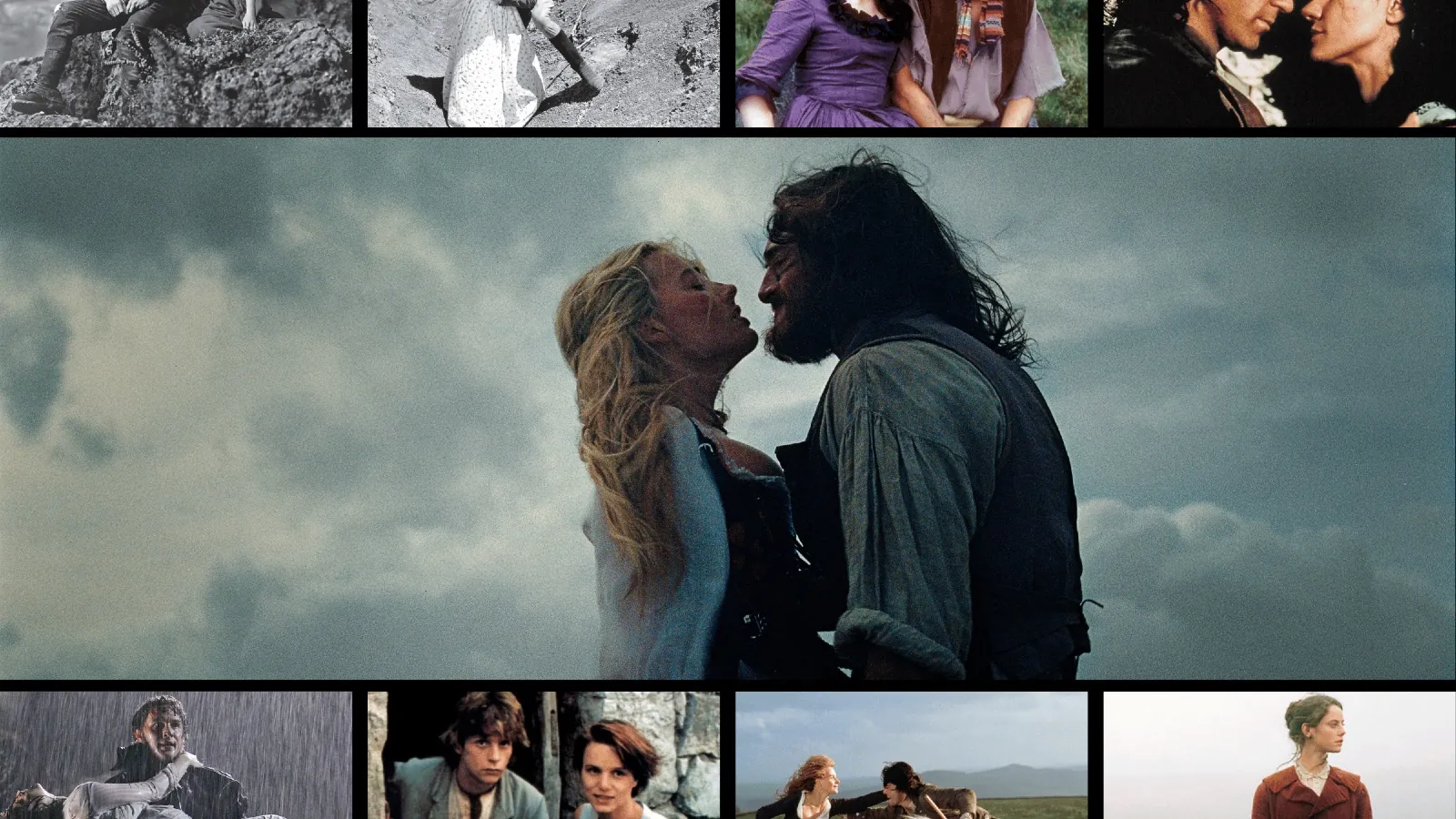
Some love stories make us believe in happily ever after.
Wuthering Heights makes us question what love actually means.
Emily Brontë’s novel is often described as a love story, but that description feels far too simple. Heathcliff and Catherine are passionate, yes, but they are also proud, selfish, complicated and, at times, deeply destructive. Their relationship is fascinating precisely because it does not fit neatly into the idea of a perfect romance.
Catherine’s famous statement that Heathcliff is “more myself than I am” tells us almost everything about their relationship. She does not see him as simply someone she loves. She sees him as a part of herself. Their connection is so intense that separating love from identity becomes almost impossible.
But then comes the choice that changes everything.
Catherine decides to marry Edgar Linton, a man who offers the social position and security that Heathcliff cannot. Her decision is influenced by the class divisions of the world around her, and Heathcliff is devastated by it. Instead of moving on, however, he allows his pain to turn into anger and eventually revenge.
And this is where Wuthering Heights becomes much more than a romance.
It becomes a story about what happens when people refuse to let go.
Heathcliff spends years allowing his anger to shape his life. His suffering does not make him kinder. Instead, he uses it to hurt other people. Catherine, meanwhile, is equally complicated. She wants both the wild freedom she associates with Heathcliff and the respectable life that Edgar can provide.
Neither choice brings her the happiness she expects.
One reason the novel still works so well today is that Brontë does not give us characters who are easy to judge. Heathcliff is cruel, but we also understand where some of his bitterness comes from. Catherine can be selfish, but her emotional conflict feels real. Even Edgar, who seems like the obvious alternative to Heathcliff, belongs to a world shaped by privilege and social expectations.
Then there are the moors.
The wild, windswept landscape surrounding Wuthering Heights almost feels like another character in the novel. It reflects the intensity of Heathcliff and Catherine’s emotions their freedom, restlessness and inability to settle.
What I find most interesting about the novel is that it makes us question the difference between intense love and healthy love.
Heathcliff and Catherine may be unforgettable, but their relationship causes enormous suffering. Loving someone deeply does not automatically make a relationship good.
Perhaps that is why we still return to Wuthering Heights.
We do not read it simply to watch two people fall in love.
We read it to understand why some kinds of love can become so powerful, complicated and destructive that they refuse to disappear even after the people themselves are gone.